Lisa Keleshian Tumberian
The eyes must imbibe beauty to give nourishment to the soul and to satiate its thirst.
What a source of pride and joy it is to hold in your hands a piece of embroidery that you just finished making.
Until the beginning of the 21st century, the Armenian house was always decorated with delicate needlework perfected by the housewife who prepared her dowry and to which she tied all her dreams and hopes, her mind and soul.
In the past, our palaces and lush houses used to be decorated and furnished by the delicate handcraft of Armenian ladies and princesses whose fingers weaved and laced and embroidered on precious silk and velvet textiles inscribing their love of the homeland from weaving flags and emblems to embroidering crests and curtains, veils and ecclesiastical costumes.
Armenian embroidery is an ancient and rich folk art. It has begun with the creation of humanity. The human being has used thorns and fish bones, and century after century its primitive tools have developed into the needles and modern knitting tools that we use today.
The Armenian woman has always had great taste in art and a great love towards culture. During the excavations of the city of Ani, embroidery dresses were discovered attesting the art of the Armenian woman and the flexibility and delicacy of her fingers.
In the past, we would certainly find in each Armenian house a grandmother or a great aunt who knitted, stitched and embroidered the patterns of her city while teaching the younger women in her family giving her the taste of Armenian handcraft and preparing these future mothers to be well-informed masters of the art.
Beautiful and precious pieces of Armenian embroidery are kept in various museums in Armenia and abroad, in many foreign national museums. These beautiful works of art still instill marvel in all those who see them. After many centuries, they have still kept their charm and delicacy reflecting the taste and art of the Armenian women who have designed them.
Currently, the ARCL plays a grand role in curving of the character of the new generation by teaching Armenian needlework in its workshop and passing on the good taste of our national folk embroidery.
The generation which survived the Genocide, was able to stay on its feet and to better its standard of living thanks to its reliance on its handcrafts. This generation was able to fascinate the world with the embroidery it created which depicted nature on canvas and even got to decorate the White House with the carpets that it weaved.
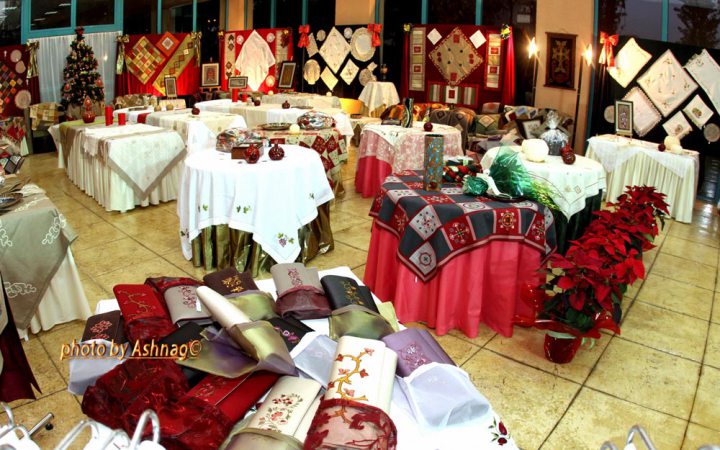
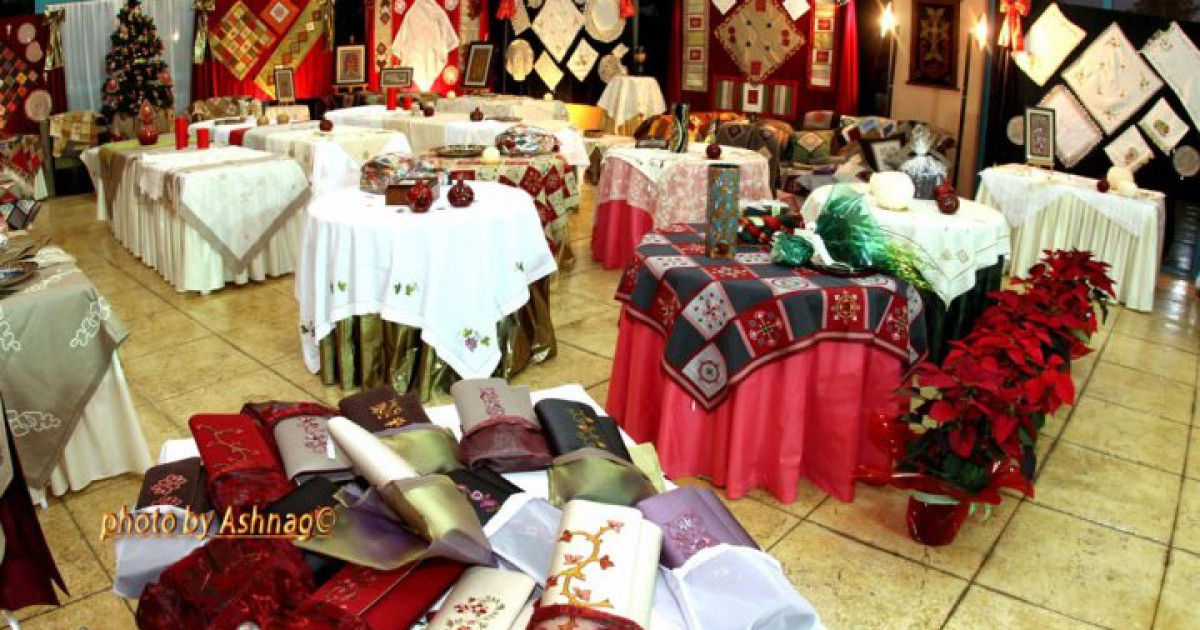
Let all ARCL Chapters organize artisan exhibitions.
Let grandmothers open their closets and bring out their delicate lacework, which might seem outmoded for the new generation, but it surely will create interest in them. The teaching of Armenian needlework in schools and by the ARCL Chapters will surely do the same.
Let us revive and take care of each lost pattern.
Let us keep our national traditional embroidery away from corruption.
Let us, as ARCL members, prepare conscious future mothers fully aware of the Armenian national traditions, culture, and arts.
Let us stand by our cultural values so that we can survive and preserve our national image and identity.
Ainjar 23 November 2016