“As if we could hear the orphans’ frantic calls, their sad cries stirring our souls… We were in communion with the young spirits soaring above the orphanage…”
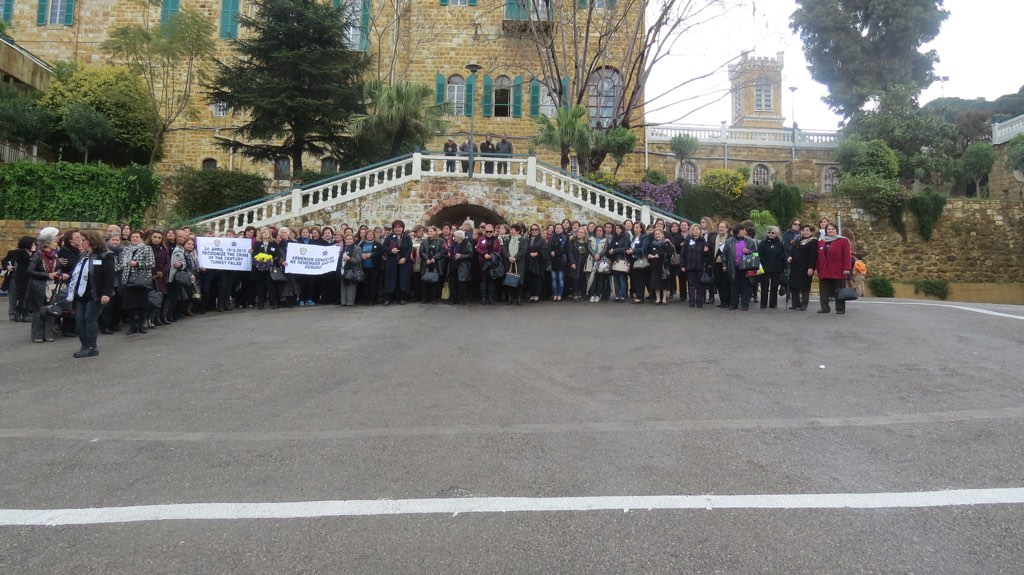
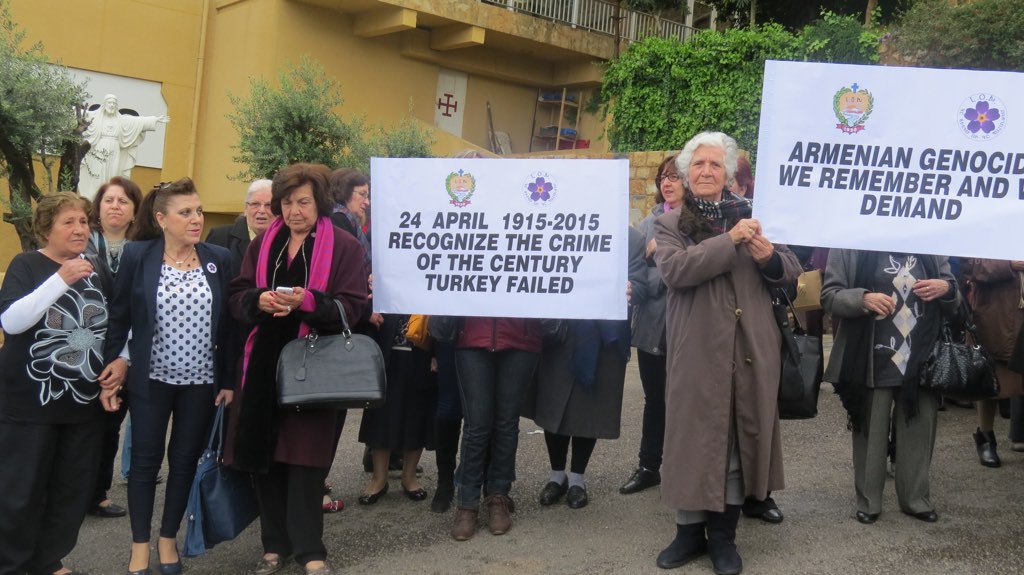
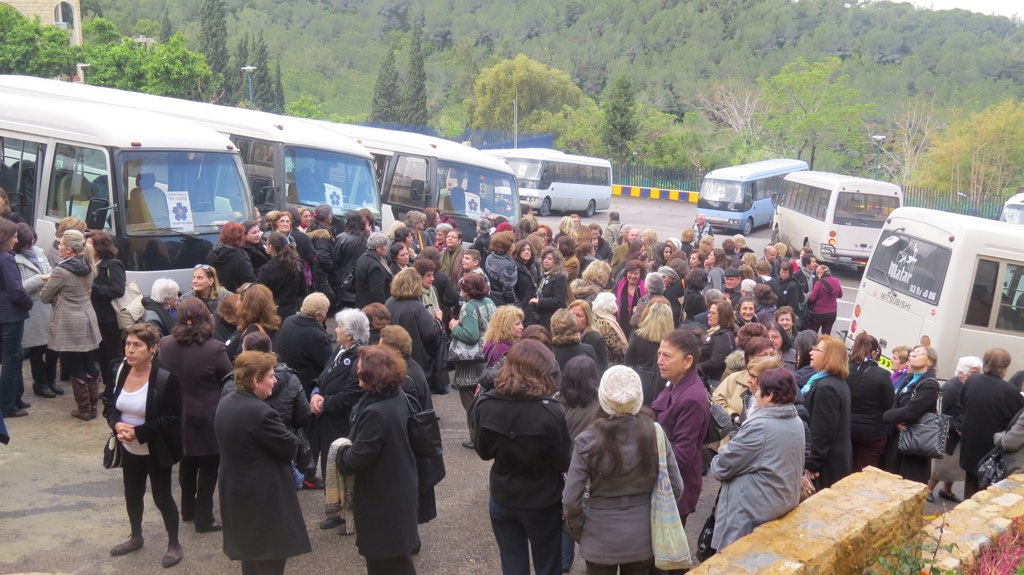
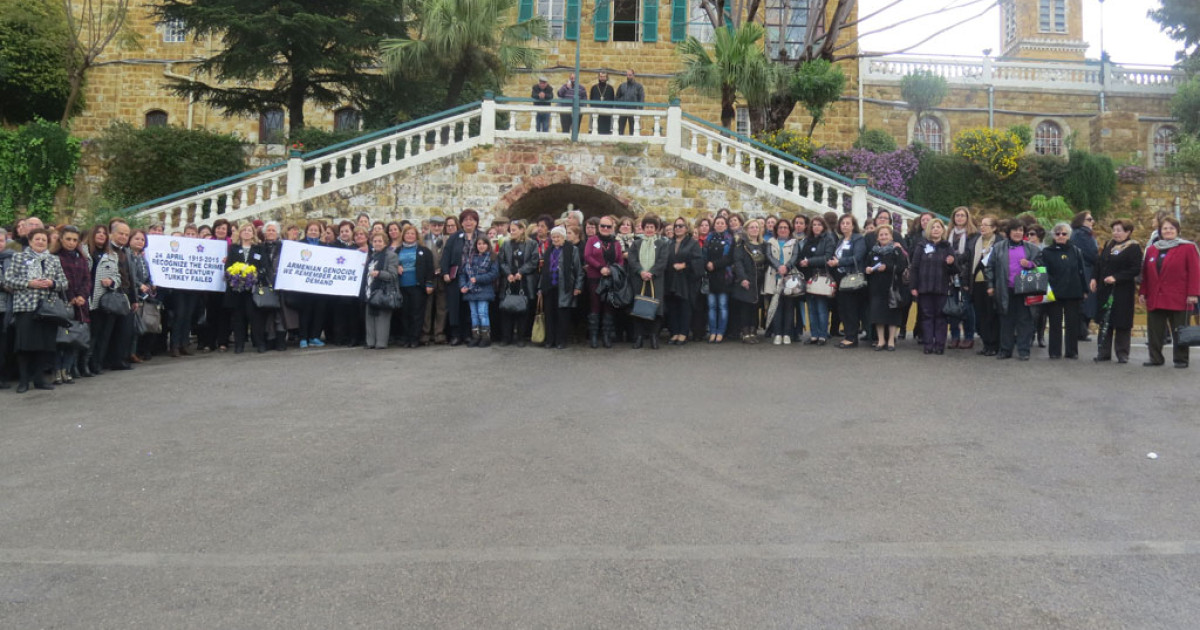
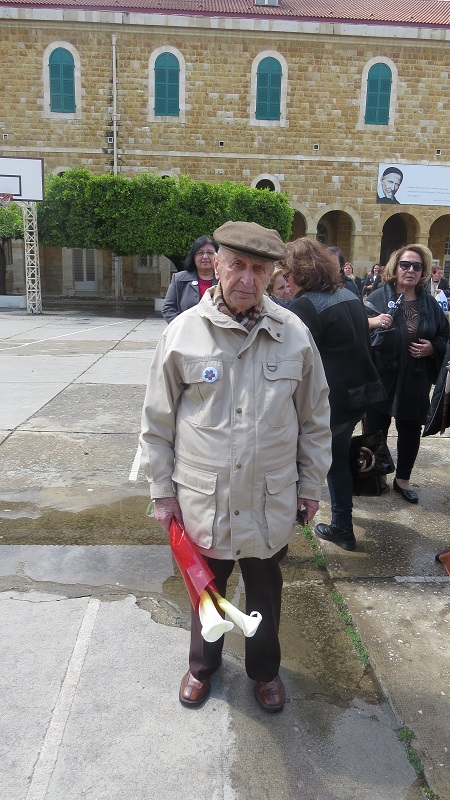
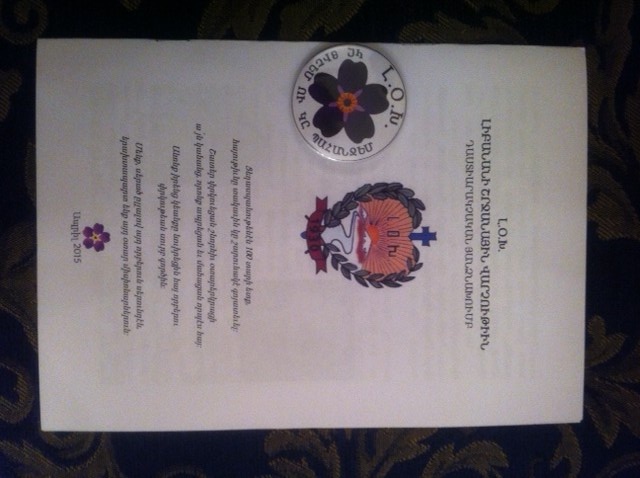
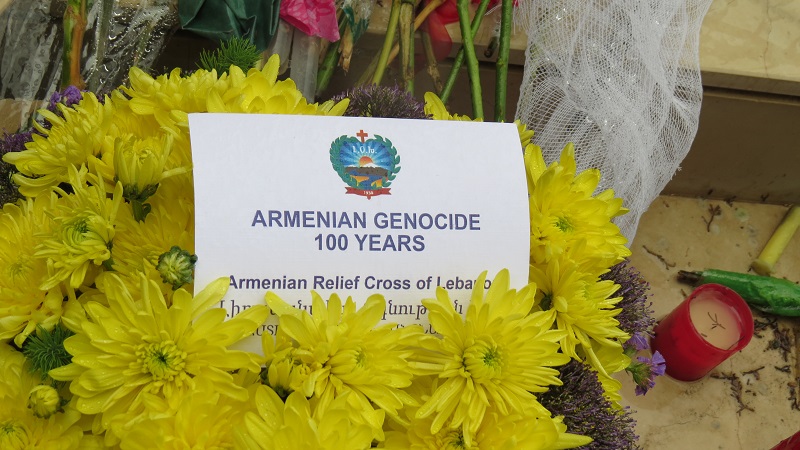
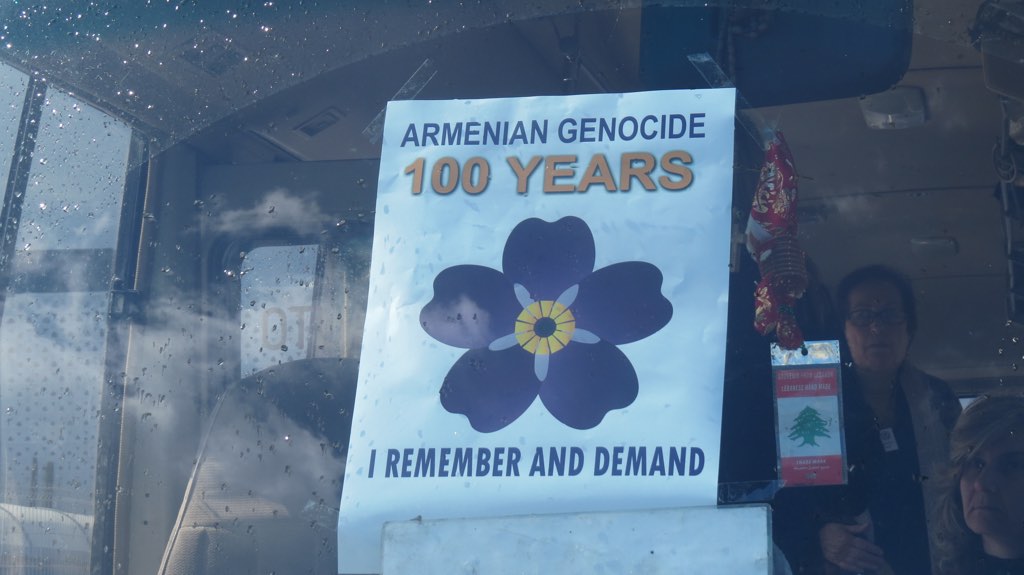
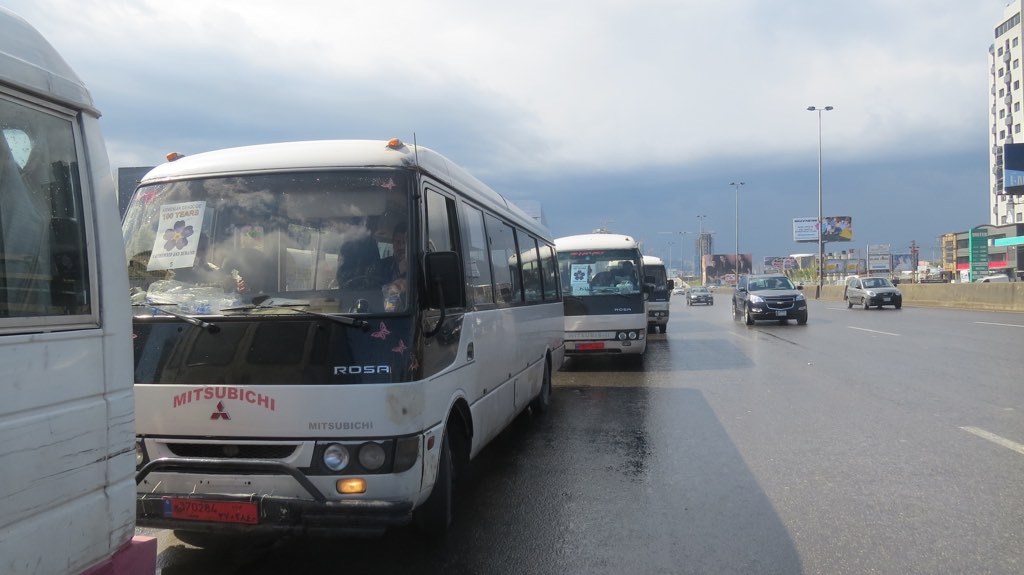
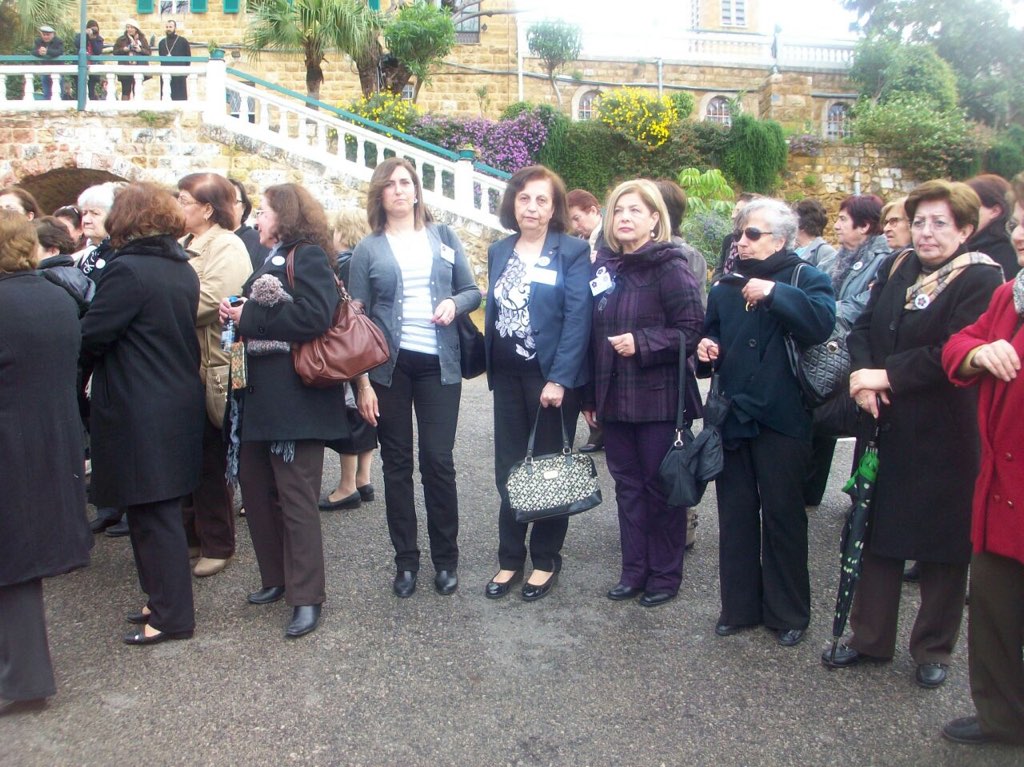
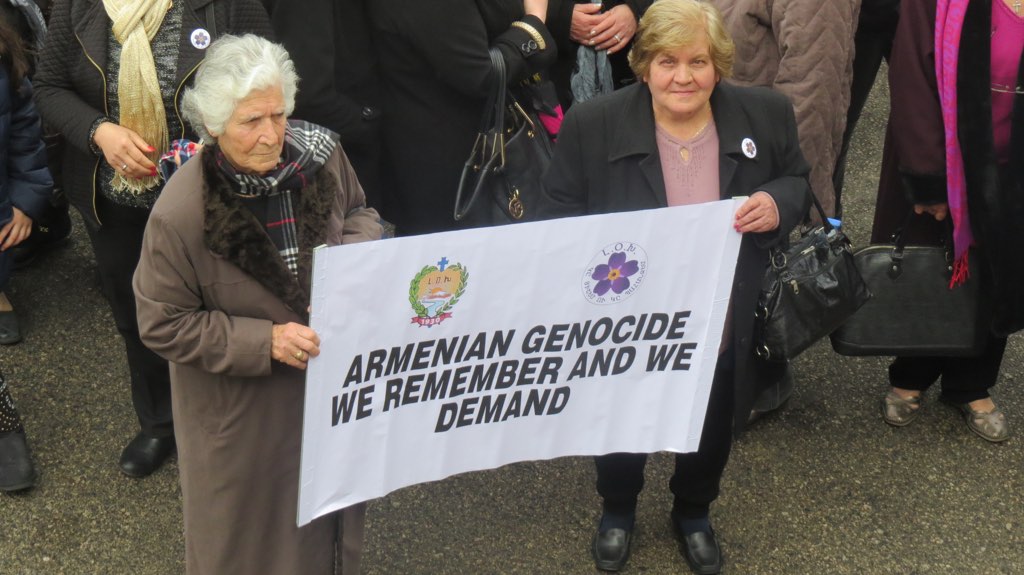
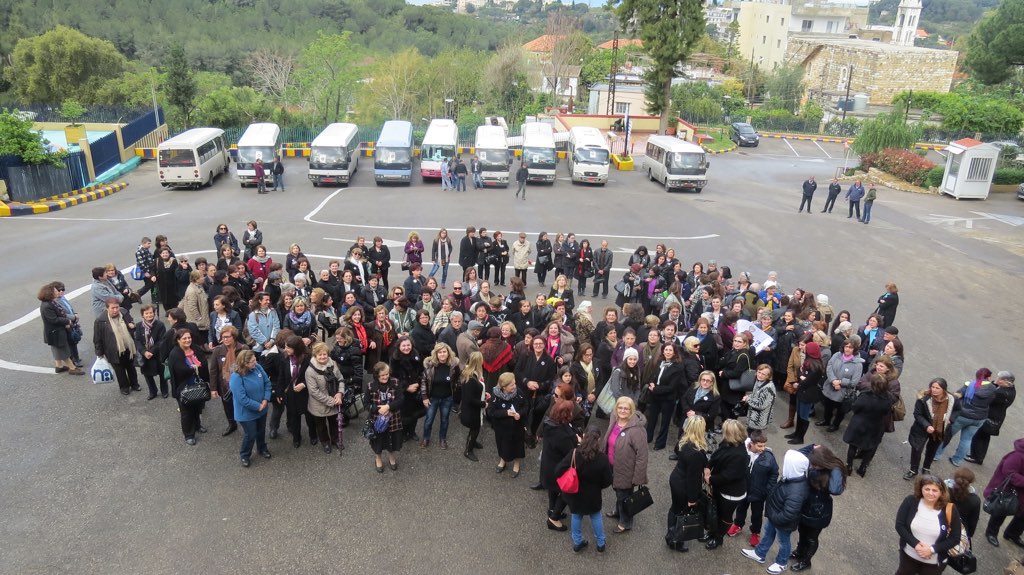
The date was 13 April 2015; the occasion, the commemoration of the Armenian Genocide Centennial. The ARCL family went on a pilgrimage to Aintoura where once an Armenian orphanage existed. The pilgrimage was organized by the ARCL Regional Executive (REB) and the REB Educational Committee.
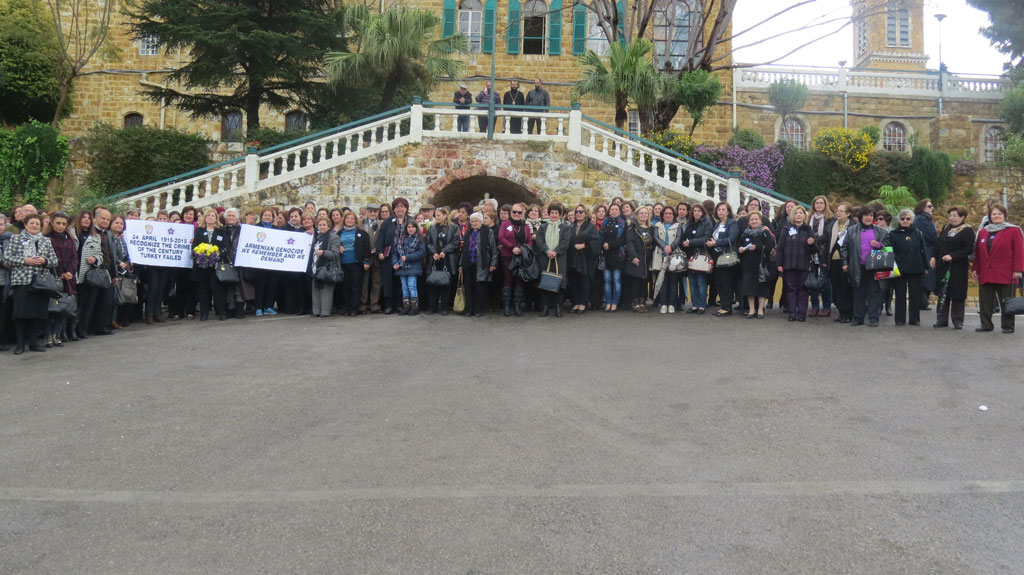
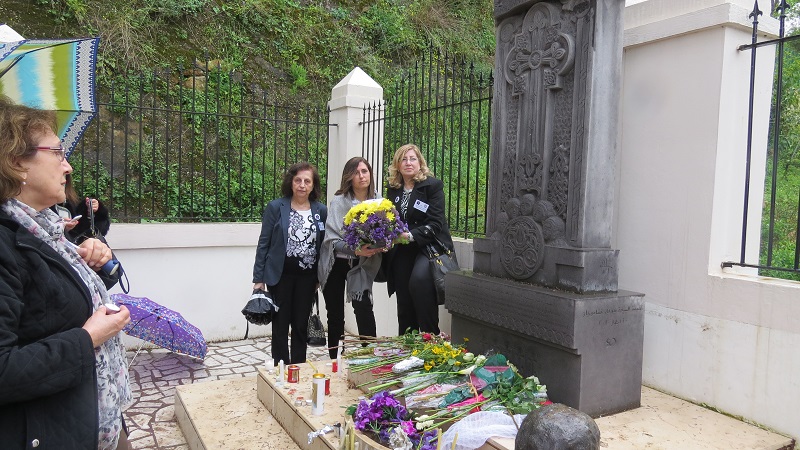
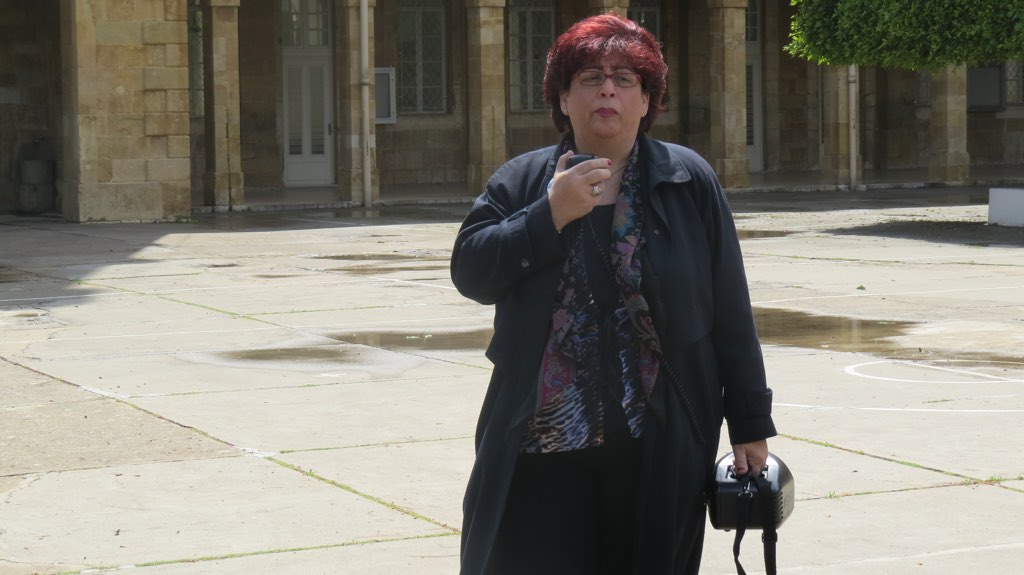
Hasmig Kevorkian spoke in the name of the Educational Committee. She described the strength of the Armenian will to live saying, “100 years ago, the Armenian lived a terror; the Turks tried to annihilate, but the Armenian wasn’t conquered; the Armenian resurrected and survived. Today we are here to commemorate the memories of our martyrs, to say that we are still demanding our rights.”
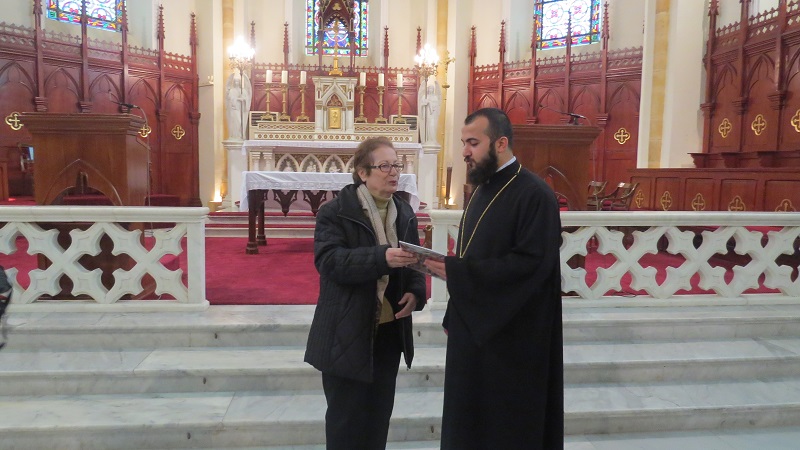
The orphanage housed 800 children who were orphaned on the migration routes. “Unable to stand the brutal treatment of Turkish soldiers, stifling heat, hunger, and thirst, 300 children died in this enclosure.” Kevorkian continued, “Despite their young age, they resorted to all kinds of ticks to survive as Armenians and get their vengeance. They were Turks by day and Armenians by night.”
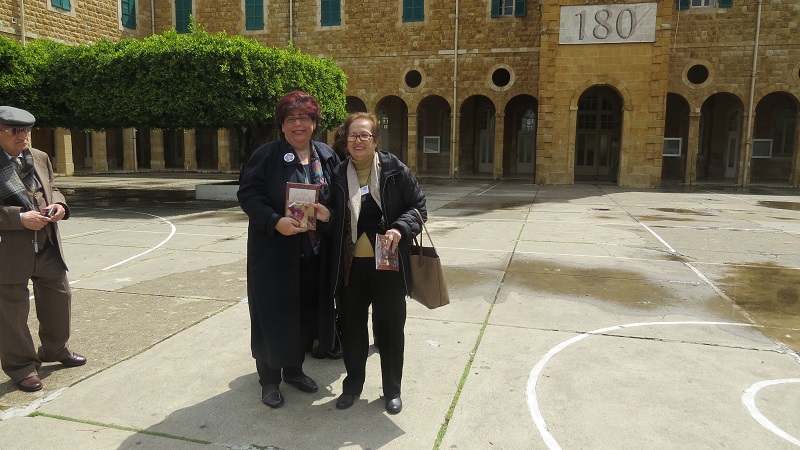
Mayda Kouredjian added to Kevorkian’s account describing the death of the parents of these children on the migration routes because of the heat, the hunger, and the brutality of the Turkish soldiers.
Aintoura became the worst of the Turkish orphanages. There, the Turkish soldiers tortured the children by beating the soles of their feet, and then, putting their feet in hot water to worsen the pain. They made them stare at the sun for hours. They were also left hungry which made them resort to boiling the bones of their dead friends to make soup so they wouldn’t starve to death.
Turkish teachers were brought to the orphanage to “Turkify” the orphans. They were even called by Turkish names.
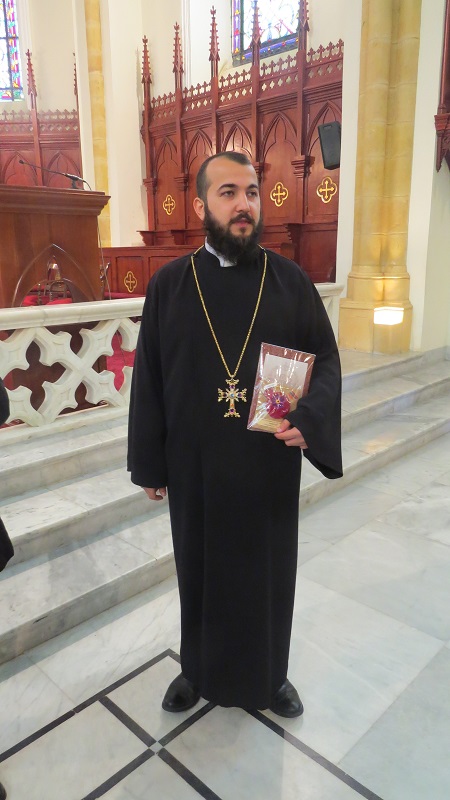
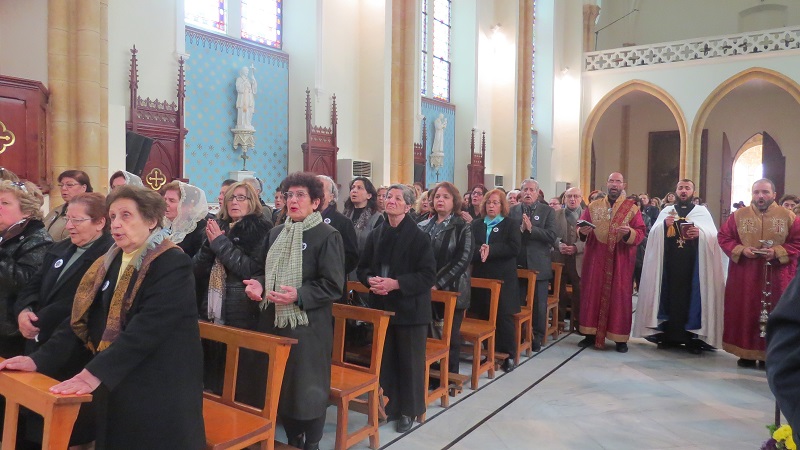
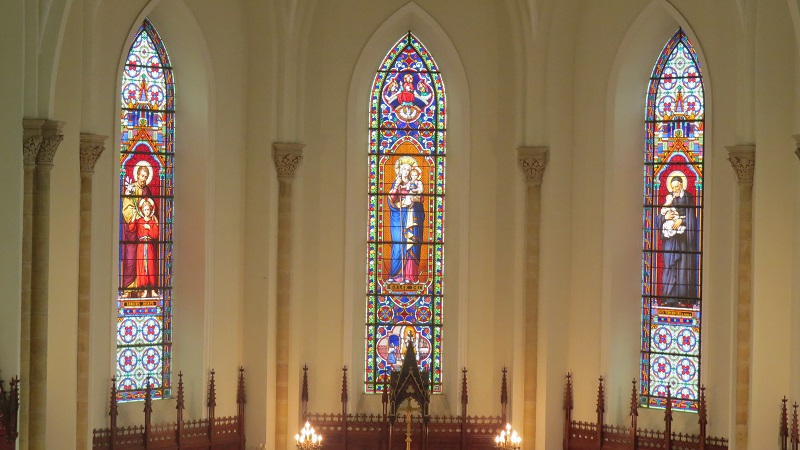
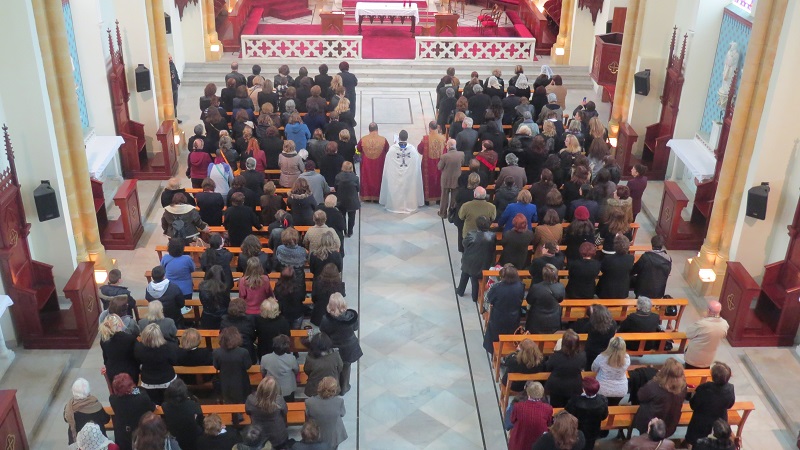
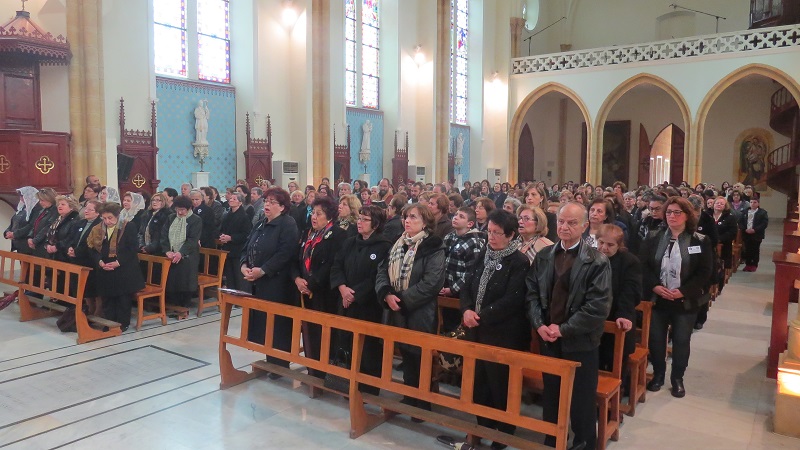
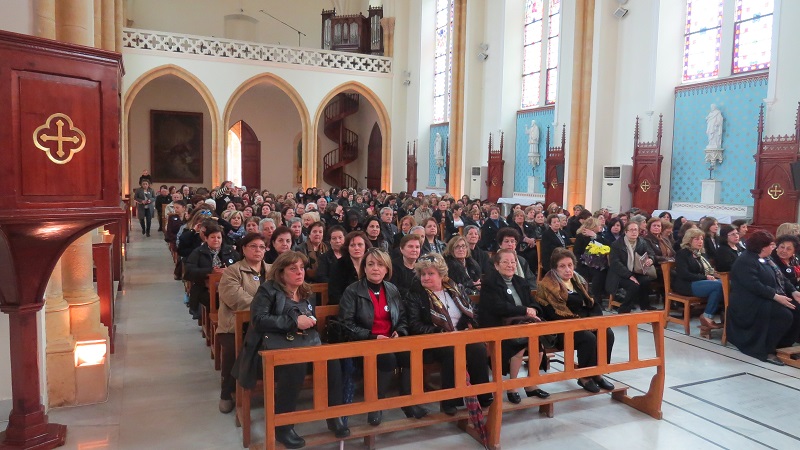
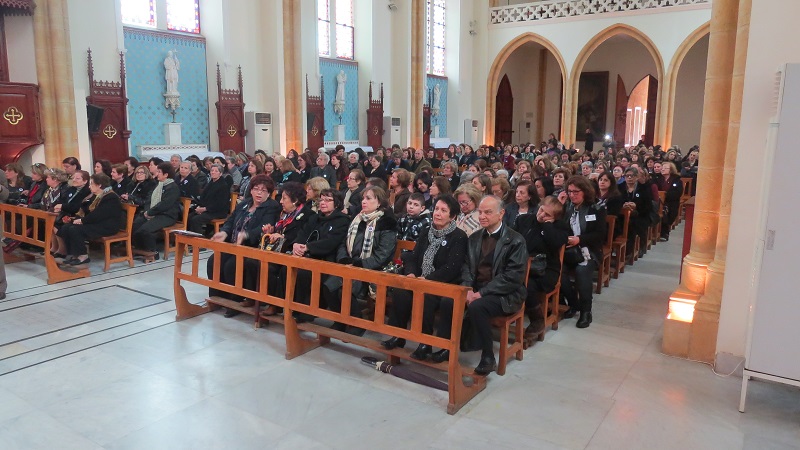
After listening to this dreadful story, the pilgrims prayed in awe and sorrow following the hymns as Father Ghevont Loshkhajian, one of the pilgrims, performed the requiem service. The Jesuit brotherhood had opened the church exclusively for this day.
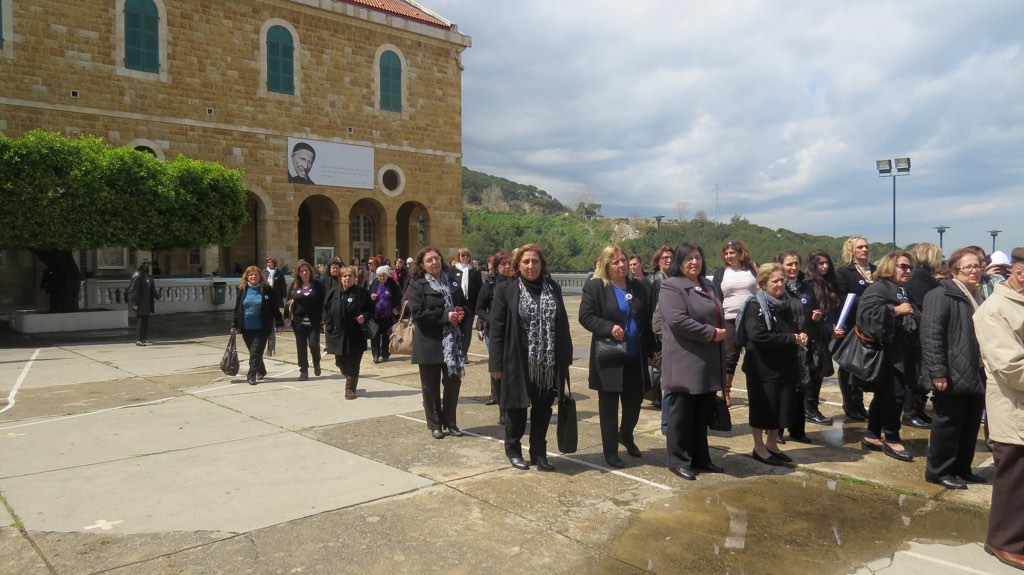
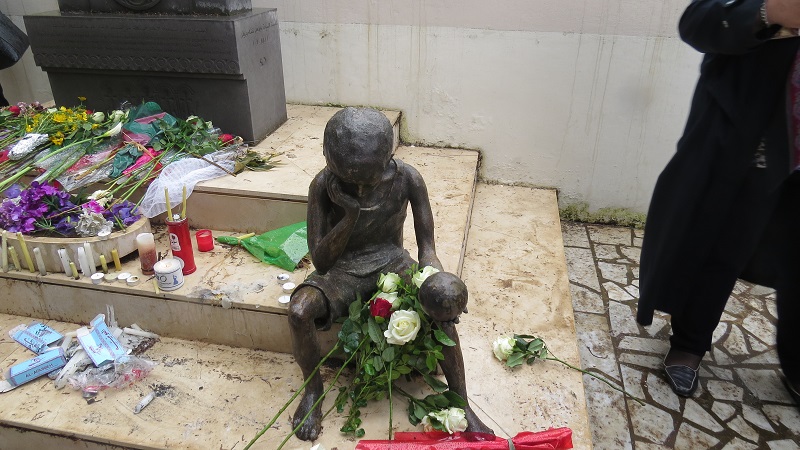
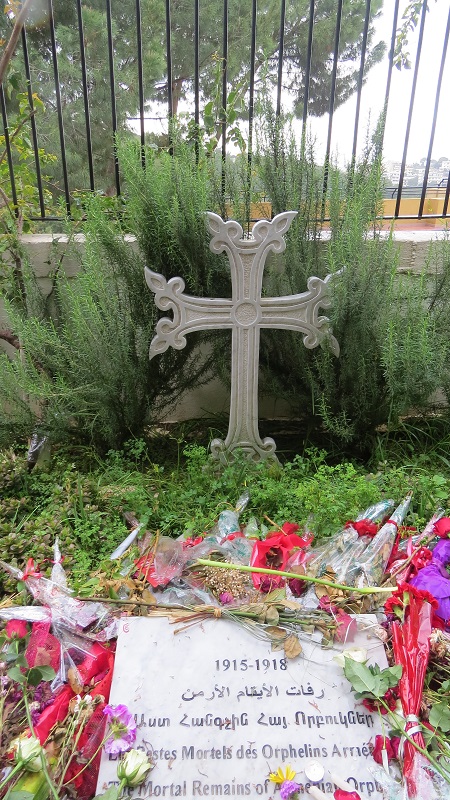
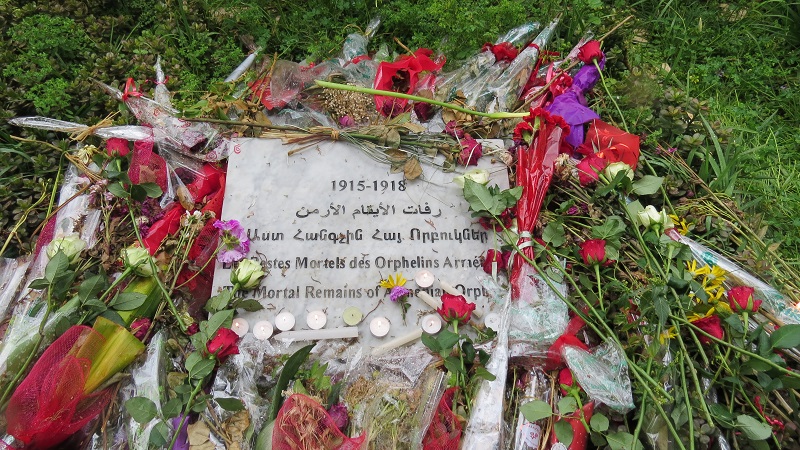
After the requiem, the pilgrims walked to the tomb of the orphans to pay their respects. Candles and incense where burned, and flowers where placed on their graves.
Our prayers to their tormented lives.